


EcoSiPas Team @ Brasília – Project Workshop 2026
Celebrating Four Years of EcoSiPas Research
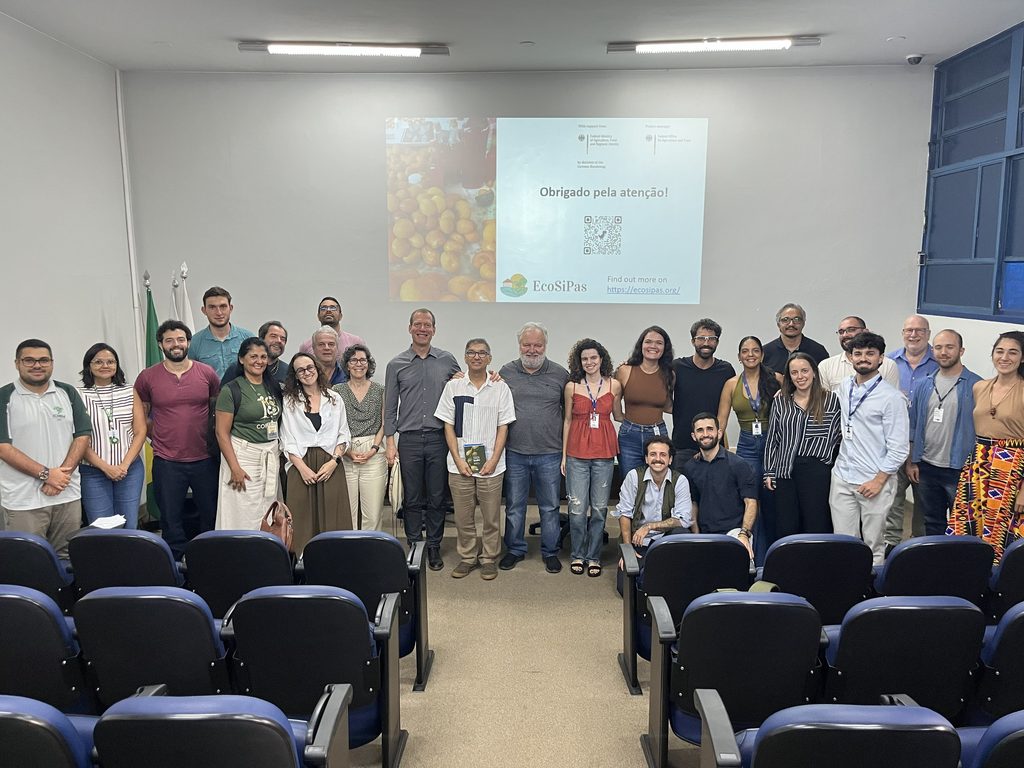
Between September 22 and 24, our EcoSiPas team and international partners gathered at Embrapa in Brasília to review the results of four years of applied research. Bringing together researchers, civil society representatives, and public managers, the workshop focused on our core mission: proving that agricultural production and environmental conservation can thrive together in the Cerrado of Minas Gerais, Brazil.
Key Research Findings
Operating across five main research fronts, our international consortium collected and analyzed massive amounts of ecological and socio-economic data:
- Unlocking Ecosystem Services: By analyzing over 2,200 vegetation and soil samples across 200 areas, we found that native SSPs in the Rio Pardo basin harbor a biodiversity index that does not differ significantly from native Cerrado samples.
- The Human Element & Women’s Leadership: Through more than 300 interviews with rural producers, we found that ecological awareness directly drives the adoption of sustainable systems. Notably, the study highlighted the essential role of women in collecting and commercializing non-timber forest products, such as pequi.
- Monetizing Conservation: To make sustainable land management financially viable, we structured business models focusing on Ecosystem Services. We are establishing frameworks to convert degraded pastures into integrated systems that capture carbon and generate revenue based on the principle of additionality.
- Direct Knowledge Transfer: Beyond academic research, we prioritized direct support to farmers, providing them with detailed soil analysis reports of their properties and educational materials on water management and the benefits of SSPs.
- International Exchange: The project facilitated a robust international academic exchange, bringing 10 Brazilian researchers to Germany and 9 German researchers to Brazil to share critical knowledge on sustainable management for Silvopaastoral Systems in the Brazilian Cerrado.
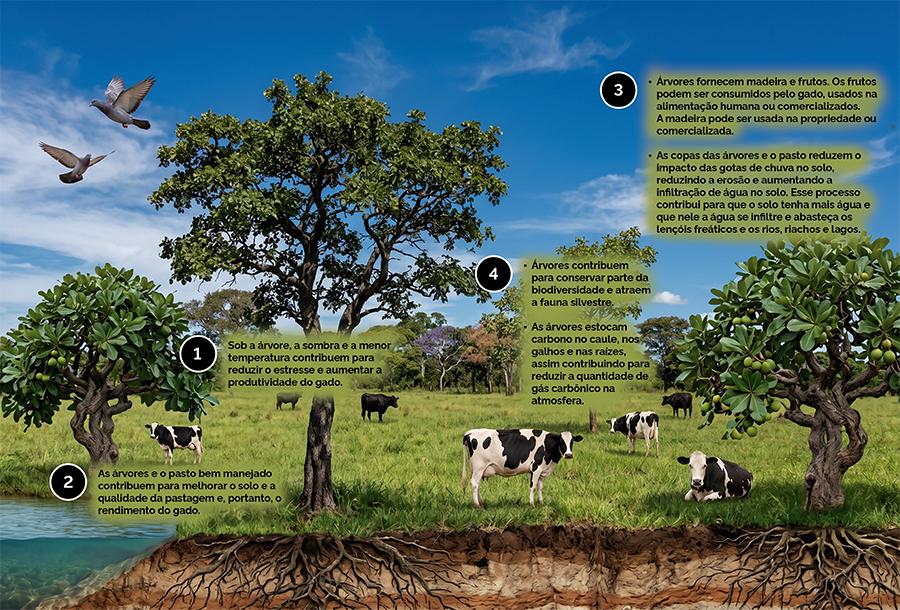
Conservation succeeds long-term when it sustains local livelihoods. During the event’s dialogue panels, we discussed viable monetization strategies for ecosystem services. This includes establishing carbon credit frameworks for recovering degraded pastures, securing organic certification, and structuring supply chains for non-timber forest products like native baru and pequi. Our socio-economic interviews also underscored the essential leadership of local women, who drive the collection and commercialization of these native harvests.
A major focus of our economic valorization strategy is the sustainable use of the native baru nut, which is abundant in the silvopastoral systems of the Urucuia river basin and provides a vital income alternative for extractivists and family farmers. This initiative includes securing organic certification and structuring a supply chain specifically geared toward international markets. Furthermore, the project is actively navigating the regulatory pathways required to approve other extractivist products as “novel foods” within the European Union, following the success of the baru nut entering the European market.
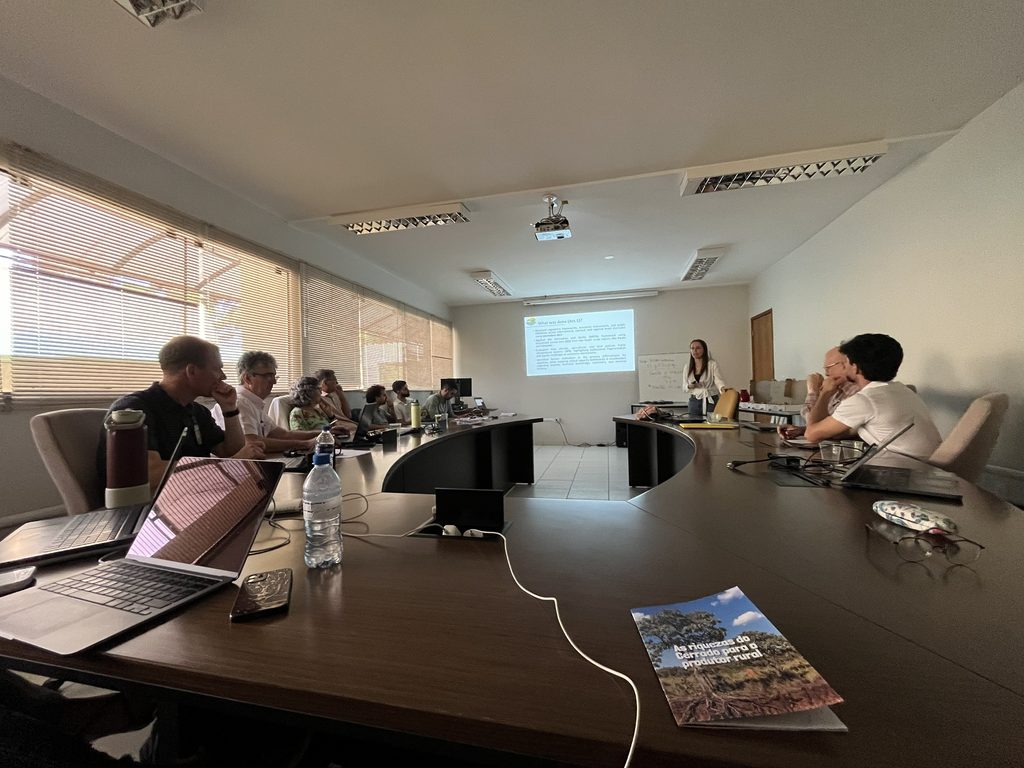
As EcoSiPas moves forward, our immediate goals include formalizing a data management plan and establishing a central repository to ensure complete information transparency. By integrating the geospatial, ecological, and socio-economic data produced over the last four years, we aim to broaden the global understanding of climate change adaptation, food security, and biodiversity loss. To keep this momentum going, the consortium is also preparing pre-proposals for international funding and planning new bilateral exchange programs for students and researchers.
Finally, the project is translating our research into actionable public policy recommendations aimed at reducing institutional bottlenecks for sustainability in the biome. By addressing the main challenges identified during our extensive fieldwork, we are laying the groundwork to facilitate the widespread expansion and adoption of native silvopastoral systems across the Cerrado.
More detailed information in our upcoming publications at the Public Library of the website (https://ecosipas.org/public-library/).